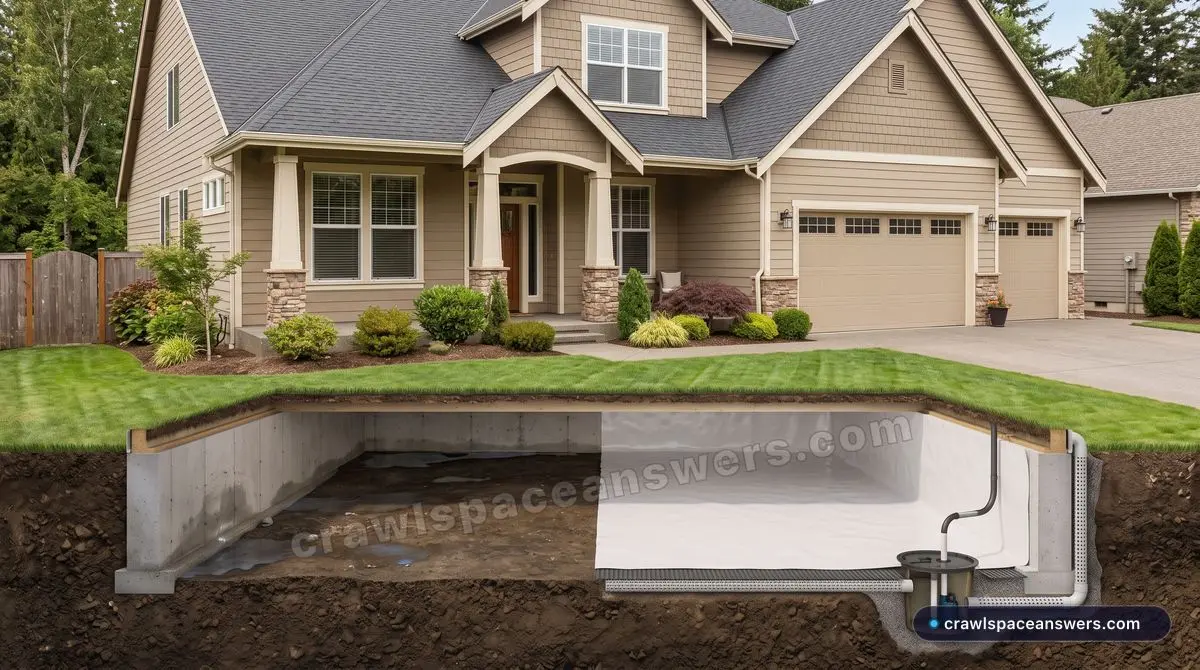
Crawl space waterproofing can make a big difference when moisture starts causing that musty smell, damp insulation, standing water, or soft and rotting wood beneath your home. What may look like a minor moisture issue can become a much bigger problem when water keeps finding its way into the crawl space.
The good news is that most crawl space moisture problems can be addressed when the source is identified early. Depending on the situation, the right solution may involve drainage, a vapor barrier, a sump pump, sealing, or a combination of waterproofing methods.
If you’re trying to figure out what’s actually going on under your home, these are the questions this guide answers:
-
What causes moisture and water problems in a crawl space
-
How to recognize the signs of a wet crawl space
-
Which crawl space waterproofing methods can help keep water out
-
How crawl space drainage matting and other drainage solutions work
-
What to know about wet crawl space repair cost
-
When professional waterproofing may be necessary
-
How to find the right contractor for crawl space waterproofing near me
If you’re dealing with moisture under your home, the first step is understanding where the water is coming from and why it keeps coming back. From there, you can choose a solution that protects the crawl space—and the foundation above it—from ongoing moisture damage.
What Is Crawl Space Waterproofing?
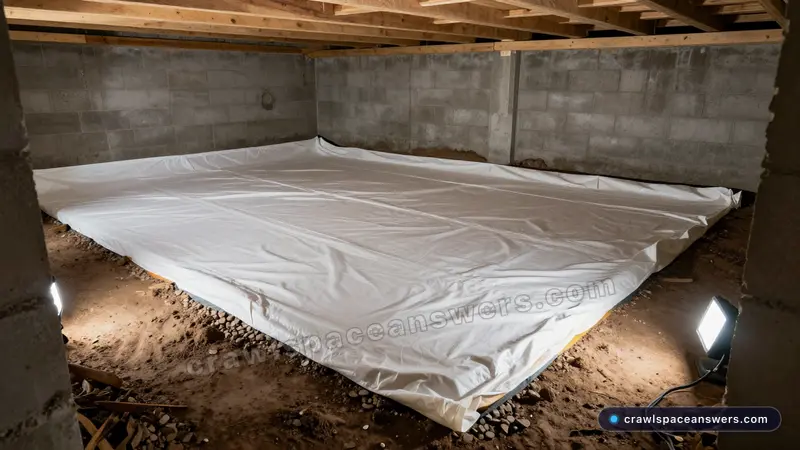
Crawl space waterproofing is the process of protecting the area beneath your home from unwanted water and moisture. It is not simply about pumping out water after a crawl space floods. A proper waterproofing system addresses where the moisture is coming from and uses the right combination of drainage, moisture barriers, sealing, and water-management solutions to keep the space dry.
Water can enter a crawl space in several ways. Groundwater may seep through the soil, rainwater can collect around the foundation, plumbing leaks can introduce moisture, and poor drainage can allow water to remain beneath the home. Over time, constant exposure to moisture can create conditions for mold growth, wood rot, unpleasant odors, and damage to insulation and other building materials.
A crawl space that floods after heavy rain needs a different fix than one that stays humid because moisture is rising from the soil. Some crawl spaces may need a drainage system or sump pump to control groundwater, while others may require a vapor barrier or additional sealing to reduce moisture from the soil and outside air. In homes with recurring water problems, several solutions may need to work together.
💡 Information Box: What Does Crawl Space Waterproofing Do?
A properly designed waterproofing system can help:
Control water entering the crawl space
Reduce excess humidity and moisture
Protect wood framing and insulation from moisture damage
Reduce conditions that encourage mold and mildew growth
Prevent standing water and recurring drainage problems
Help protect the foundation and structural components of the home
The goal is not just to remove water that is already there, but to control the source and prevent moisture from becoming a recurring problem.
Why Waterproofing a Crawl Space Matters
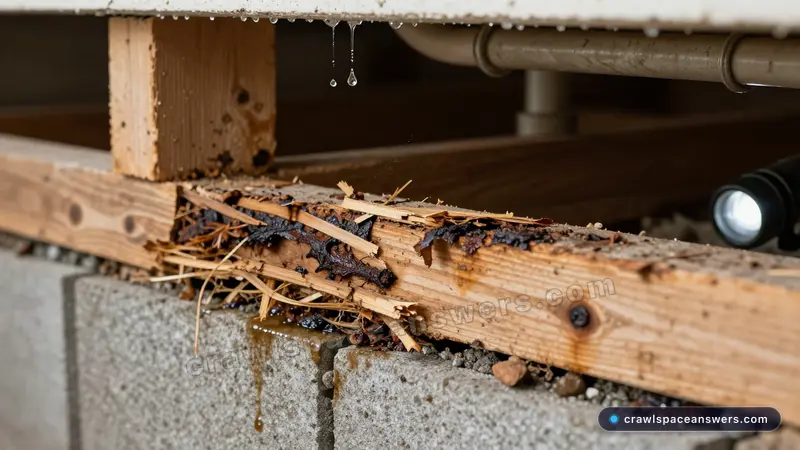
Moisture beneath your home rarely stays a small problem for long. When water or high humidity is allowed to remain in a crawl space, it can affect the materials above it and create an environment where mold, wood decay, and other moisture-related issues become more likely.
That is why waterproofing crawl spaces is about more than keeping the floor dry. A properly addressed crawl space can help protect the home from several problems, including:
-
Foundation and structural damage: Persistent moisture can contribute to deterioration around foundation components and other structural materials.
-
Wood rot: Damp conditions can damage wooden joists, beams, and supports over time, particularly when moisture remains trapped.
-
Mold and mildew growth: Excess moisture creates favorable conditions for mold and mildew, which can spread if the underlying moisture problem is not addressed.
-
Unpleasant odors: A damp crawl space can produce musty smells that may make their way into the living areas above.
-
Damaged insulation: Water and prolonged humidity can reduce the effectiveness of insulation and may require replacement.
-
Pest problems: Some insects and other pests are attracted to consistently damp environments, making moisture control an important part of crawl space maintenance.
-
Higher repair costs: Addressing a moisture problem early can help prevent smaller issues from developing into more extensive repairs.
-
Poor moisture control throughout the home: Because a crawl space is connected to the rest of the house, controlling moisture underneath the property can be an important part of maintaining a healthier and more stable indoor environment.
The key is to identify the source of the moisture rather than simply removing visible water. A drainage problem, groundwater intrusion, plumbing leak, or excess humidity may each require a different solution.
Signs You Have a Wet Crawl Space
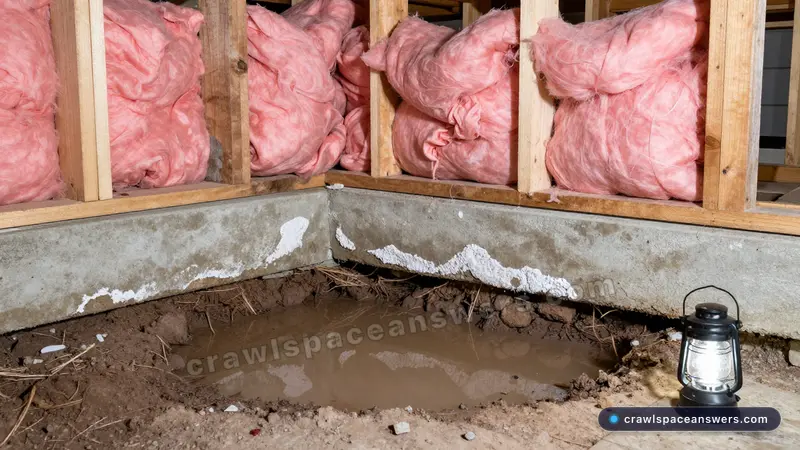
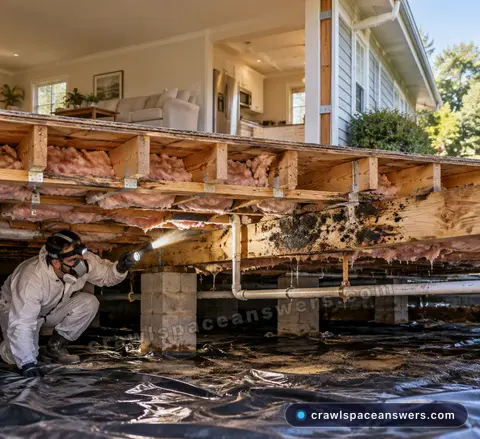
A wet crawl space does not always look like a flooded basement. In many cases, the first signs are subtle: a musty smell, damp insulation, condensation on pipes, or wood that feels unusually soft. Catching these warning signs early can make it easier to address the source before moisture causes more extensive damage.
Look for the following signs beneath your home:
-
Musty or damp odors: A persistent earthy smell can indicate excess moisture, mold, or mildew in the crawl space.
-
Standing water or puddles: Visible water after rain or around the foundation is a clear sign that drainage or groundwater may be an issue.
-
Damp or wet insulation: Insulation that feels wet, sags, or shows signs of staining may be absorbing moisture.
-
Mold or mildew: Dark spots, discoloration, or fuzzy growth on wood, insulation, or other surfaces can indicate prolonged moisture exposure.
-
Wood rot or soft wood: Joists, beams, and other wooden components that feel soft, crumbly, or visibly deteriorated should not be ignored.
-
Condensation on pipes and ductwork: Water droplets forming on cold pipes, HVAC ducts, or other surfaces can point to excessive humidity.
-
Peeling or damaged materials: Moisture can cause certain materials, including wood and insulation coverings, to stain, deteriorate, or separate.
-
Increased humidity inside the home: A damp crawl space can contribute to higher humidity levels in the living areas above.
-
Recurring moisture after rainfall: If water consistently appears beneath the home after storms, the problem may be related to exterior drainage, grading, or groundwater.
⚠️ Warning: Don’t Ignore Recurring Crawl Space Moisture
If you repeatedly find water, mold, rotting wood, or strong musty odors, simply drying the area may not solve the problem. The moisture source needs to be identified and corrected. Depending on the cause, crawl space waterproofing may involve drainage improvements, a sump pump, a vapor barrier, sealing, or other moisture-control measures.
The sooner a recurring moisture problem is investigated, the easier it may be to prevent further damage to the crawl space and the components of your home above it.
Basement and Crawl Space Waterproofing: What’s the Difference?
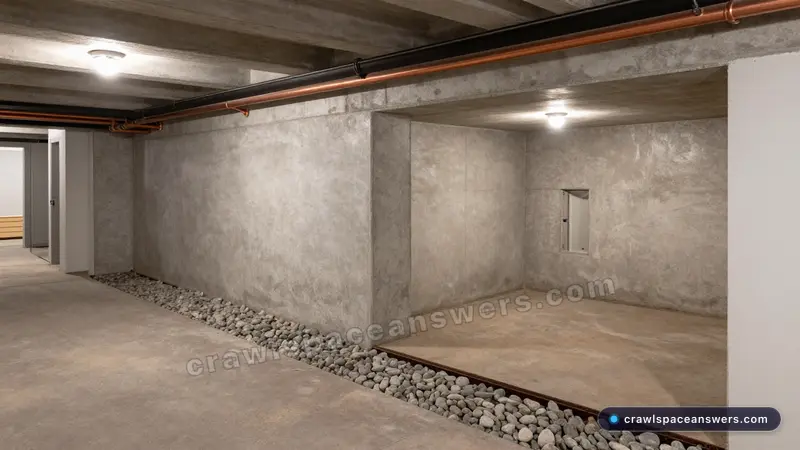
Although both areas can suffer from water intrusion and excess moisture, basement and crawl space waterproofing are not exactly the same process. The space available, accessibility, drainage conditions, and the way moisture enters the structure can all affect which waterproofing methods are appropriate.
| Factor | Basement Waterproofing | Crawl Space Waterproofing |
|---|---|---|
| Space and accessibility | Usually provides enough room to walk, inspect, and perform repairs more easily. | Often has limited headroom, making inspection and installation more difficult. |
| Common moisture concerns | Wall seepage, floor leaks, hydrostatic pressure, condensation, and groundwater intrusion. | Standing water, soil moisture, groundwater, condensation, and moisture entering through foundation walls or floors. |
| Typical drainage solutions | Interior or exterior drainage systems, sump pumps, perimeter drains, and grading improvements. | Crawl space drainage systems, sump pumps, perimeter drains, and drainage matting may be used depending on the source of water. |
| Moisture control | Waterproof coatings, drainage systems, and moisture barriers may be used to control water and humidity. | Vapor barriers, drainage systems, sealing, and humidity control are commonly considered together. |
| Insulation concerns | Basement walls and floors may require attention when moisture affects insulation. | Insulation beneath the floor can become damp or damaged and may need to be replaced. |
| Structural components | Waterproofing may help protect foundation walls and basement materials from prolonged moisture exposure. | Moisture control is particularly important for protecting wooden joists, beams, supports, and other components beneath the home. |
| Work environment | Generally easier for contractors to access and work in. | Tight spaces can make inspection, drainage work, and installation more labor-intensive. |
| Main objective | Keep the basement usable, dry, and protected from water intrusion. | Control water and moisture while protecting the foundation, structural wood, insulation, and the home above. |
The biggest difference is the environment in which the work is performed. A crawl space is typically tighter and may have exposed soil, wooden structural components, and limited ventilation. As a result, addressing moisture often requires looking at water management and humidity control together, rather than treating visible water alone.
For either type of space, the right solution starts with identifying the source of the moisture. A contractor may need to determine whether the problem is caused by groundwater, poor drainage, surface water, condensation, plumbing leaks, or a combination of factors before recommending a waterproofing system.
Common Crawl Space Waterproofing Methods
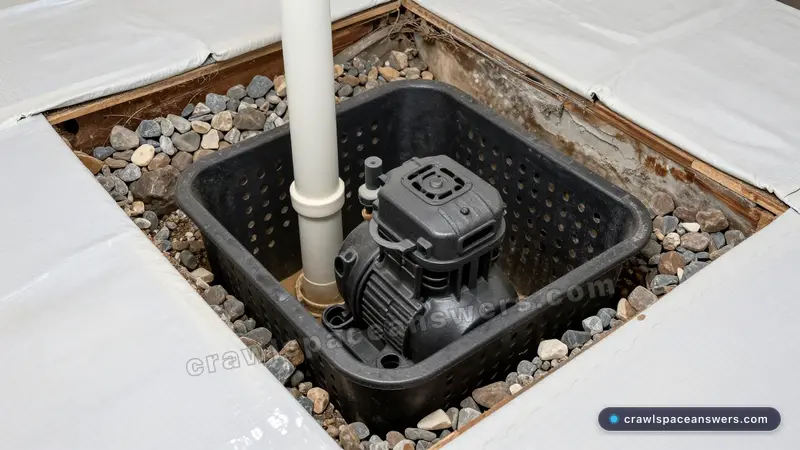
There is no single waterproofing method that works for every home. The right approach depends on where the water is coming from, how much moisture is present, the condition of the foundation, and how the crawl space is designed. In many cases, effective crawl space waterproofing combines more than one method to control both water intrusion and ongoing moisture.
Common methods include:
-
Interior drainage systems: Perimeter drains can collect water that enters through the foundation or floor and direct it toward a sump pump or suitable discharge point.
-
Sump pumps: A sump pump removes collected groundwater from a designated basin and helps prevent water from accumulating inside the crawl space.
-
Vapor barriers: A properly installed vapor barrier can help limit moisture rising from exposed soil and reduce humidity within the crawl space.
-
Crawl space drainage matting: Drainage matting can create a channel for water to move toward a drainage system while helping separate the crawl space from damp soil.
-
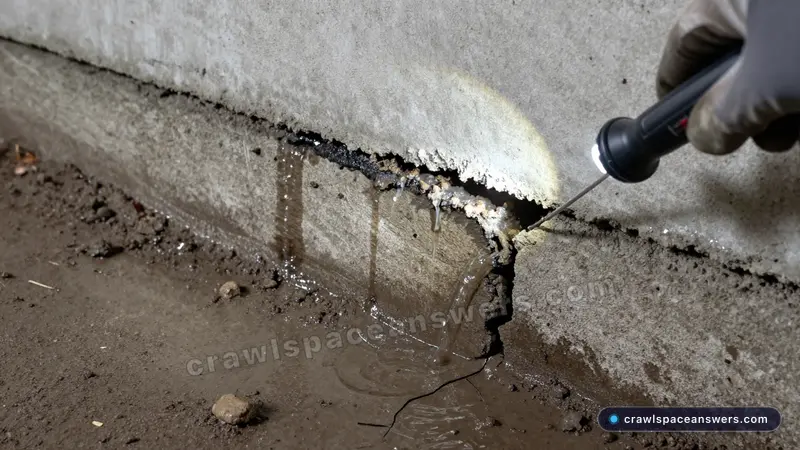
Foundation wall sealing: Depending on the source of the moisture, sealing cracks, joints, and other potential entry points can help reduce water intrusion.
-
Exterior drainage improvements: Gutters, downspouts, grading, and other exterior measures can help direct rainwater away from the foundation before it reaches the crawl space.
-
Encapsulation: Crawl space encapsulation typically combines a sealed vapor barrier with measures designed to control moisture and outside air entering the space.
-
Dehumidification: When humidity remains high even after water intrusion has been addressed, a properly sized dehumidifier may help maintain a drier environment.
-
Plumbing and leak repairs: If moisture is coming from a leaking pipe, fixture, or HVAC component, repairing the source is essential before relying on other waterproofing measures.
Choosing the Right Method
The visible water is only part of the problem. For example, a sump pump may remove groundwater, but it will not necessarily solve moisture rising through exposed soil. Likewise, installing a vapor barrier may help control soil moisture but will not replace a drainage system when groundwater is entering the crawl space.
That is why a complete crawl space waterproofing plan should begin with identifying the source of the moisture and then matching the solution to the specific conditions underneath the home.
Crawl Space Drainage Systems
Water has to go somewhere once it enters a crawl space. A drainage system provides a controlled route for groundwater and other sources of water to leave the area instead of collecting around the foundation or sitting on the crawl space floor.
A typical crawl space drainage system may include:
-
Perimeter drains: Installed along the edges of the crawl space to collect water near the foundation.
-
Interior drainage channels: Help move water from problem areas toward a sump pit or discharge point.
-
Drainage pipes: Carry collected water through the system and away from the crawl space.
-
Sump basins: Provide a collection point when a sump pump is used to remove groundwater.
-
Exterior drainage improvements: Gutters, downspouts, and proper grading can reduce the amount of rainwater reaching the foundation.
The right drainage setup depends on how water is entering the space. This is an important part of crawl space waterproofing because removing visible water without giving future water a reliable path out can leave the same problem waiting to return.
Crawl Space Drainage Matting
Crawl space drainage matting is a moisture-management material installed beneath or around parts of a crawl space to help direct water toward a drainage system. Its structure creates channels that allow water to move rather than remain trapped against the foundation or beneath the crawl space.
Drainage matting can be particularly useful when groundwater needs a controlled path toward a perimeter drain or sump system. It may also help create separation between damp soil and the crawl space environment.
💡 Information Box: What Does Crawl Space Drainage Matting Do?
Crawl space drainage matting can help:
Create a pathway for water to reach a drainage system
Reduce water collecting against foundation surfaces
Improve drainage beneath certain crawl space flooring systems
Work alongside perimeter drains and sump pumps
Provide separation between damp soil and other crawl space materials
Drainage matting is not a standalone solution for every moisture problem. If water is entering because of a plumbing leak, severe groundwater intrusion, or poor exterior drainage, those underlying issues still need to be addressed.
Vapor Barriers and Moisture Control
Not every crawl space moisture problem involves standing water. Soil beneath an uncovered crawl space can release moisture into the air, increasing humidity and creating conditions that encourage condensation, mold, and wood deterioration.
A vapor barrier helps limit moisture moving from the soil into the crawl space. When combined with proper sealing and ventilation or dehumidification where appropriate, it can play an important role in keeping humidity under control.
For homeowners considering crawl space waterproofing, this distinction matters. A drainage system is designed to manage water, while a vapor barrier primarily addresses moisture coming through the soil. If both problems are present, using only one solution may leave part of the moisture issue unresolved.
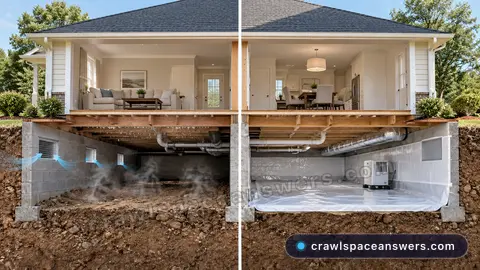
Encapsulation vs. Traditional Venting
| Encapsulated Crawl Space | Traditional Vented Crawl Space |
|---|---|
| Moisture is controlled by limiting outside air and soil moisture | Relies more heavily on vents and outdoor air movement |
| Typically uses a sealed vapor barrier system | Traditionally uses vents to exchange air with the exterior |
| Can help control humidity when properly designed | Outdoor humidity can enter through open vents |
| Requires attention to drainage and moisture sources | Still requires proper exterior drainage and moisture management |
Sump Pumps and Interior Drainage
When groundwater repeatedly collects beneath a home, a sump pump can provide a reliable way to remove it. Water collected by an interior drainage system flows toward a sump basin, where the pump moves it through a discharge line and away from the foundation.
The pump should be sized for the amount of water the crawl space is likely to receive. In areas that experience heavy storms or power outages, homeowners may also consider a backup pump or battery backup system.
A sump pump is most effective when it is part of a larger water-management strategy. If water continues entering through foundation walls, exposed soil, or poor exterior drainage, the underlying source may need to be addressed as part of the overall crawl space waterproofing plan.
Wet Crawl Space Repair Cost: What Should You Expect?
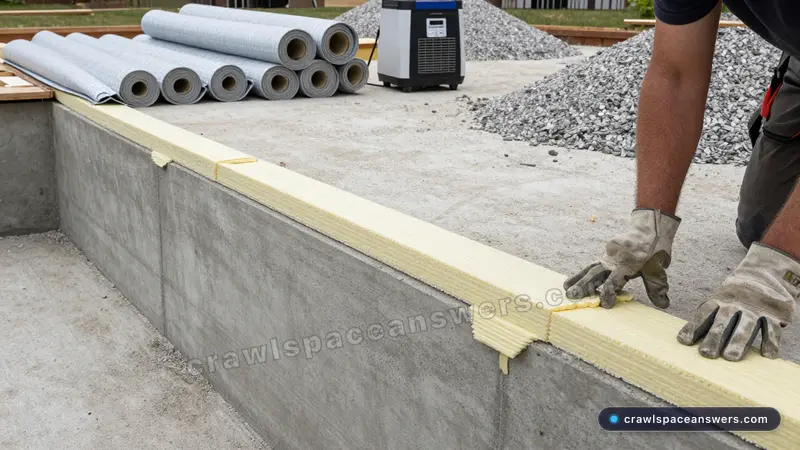
Wet crawl space repair cost can vary considerably from one property to another. The size of the crawl space is only one factor. The amount of water, source of the moisture, existing damage, accessibility, drainage requirements, and materials needed for the repair can all affect the final price.
Instead of assuming that every wet crawl space will have the same repair bill, it helps to look at the type and scope of work involved:
Related Posts
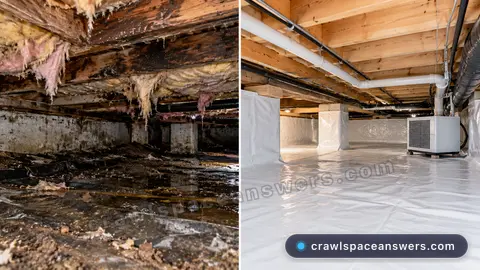
| Project Type | What the Work May Involve |
|---|---|
| Simple moisture control | Vapor barrier installation, minor sealing, humidity control, or correcting basic sources of soil moisture. |
| Drainage-related work | Interior drainage, perimeter drainage, sump pump installation, drainage matting, or improvements that move water away from the foundation. |
| Water intrusion repairs | Addressing recurring groundwater, foundation seepage, exterior drainage problems, or other sources that continue to bring water into the crawl space. |
| Extensive structural damage | Repair or replacement of deteriorated joists, beams, supports, insulation, or other materials affected by long-term moisture. |
| Complex or difficult-access projects | Additional labor and preparation when the crawl space is unusually tight, difficult to reach, or requires specialized equipment. |
The scope of the project can change significantly from one home to another. A crawl space that only needs basic moisture control is very different from one that requires drainage installation, water removal, or structural repairs.
⚠️ Warning: Don’t Choose a Repair Based on Price Alone
A low-cost fix may not solve the actual source of the moisture. For example, pumping out standing water will not prevent groundwater from returning, and installing a vapor barrier will not correct a major drainage problem.
Before comparing quotes, make sure each contractor has identified the source of the water and clearly explains what work is included. Ask whether the estimate covers drainage, water removal, damaged-material replacement, cleanup, and any necessary follow-up work.
What Can Make Wet Crawl Space Repair More Expensive?
Repairs generally become more involved when moisture has been present for a long time. Extensive wood damage, difficult access, recurring groundwater, damaged insulation, mold remediation, or the need for a complete drainage system can all increase the scope of work.
For that reason, there is no single price that applies to every home, but understanding wet crawl space repair cost factors will help you prepare for the estimate.
Basement Crawl Space Waterproofing: When Is It Necessary?
Not every crawl space needs the same level of moisture protection. A small amount of seasonal humidity is different from water that repeatedly collects beneath the home. The first step is to determine whether the problem is occasional, ongoing, or already causing damage.
Basement crawl space waterproofing may be worth considering when you notice:
-
Recurring standing water: Water repeatedly appears after rain or storms instead of draining away naturally.
-
Persistent dampness: The soil, insulation, foundation walls, or wooden components remain damp for extended periods.
-
Musty odors: A strong, recurring smell can indicate that moisture is staying trapped beneath the home.
-
Mold or mildew: Visible growth or persistent moisture-related staining can be a sign that humidity needs to be controlled.
-
Wood deterioration: Soft, discolored, or deteriorating joists and beams can indicate prolonged moisture exposure.
-
Foundation water intrusion: Cracks, joints, or foundation surfaces show signs of recurring water entry.
-
Damaged insulation: Insulation that is wet, sagging, stained, or deteriorating may need attention.
-
Repeated drainage problems: Gutters, downspouts, grading, or existing drainage systems are not keeping water away from the foundation.
A Simple Decision Guide
Do you see standing water in the crawl space?
→ Yes: Find the source of the water and determine whether drainage, a sump pump, exterior drainage improvements, or another solution is needed.
→ No: Continue checking for moisture and humidity problems.
Is the crawl space consistently damp or humid?
→ Yes: Soil moisture, ventilation, condensation, or air leakage may be contributing to the problem. A vapor barrier and humidity-control measures may be appropriate depending on the conditions.
→ No: Continue with routine inspections, especially after heavy rainfall.
Is there visible mold, wood damage, or deteriorating insulation?
→ Yes: The moisture source should be addressed and the affected materials should be evaluated before the problem spreads.
→ No: Preventive measures such as maintaining gutters, downspouts, grading, and moisture barriers may help keep the crawl space in good condition.
The goal of basement crawl space waterproofing is not simply to make a damp area look dry for a few days. The underlying source of moisture needs to be identified so the solution addresses the actual problem.
Crawl Space Waterproofing Near Me: How to Choose a Contractor
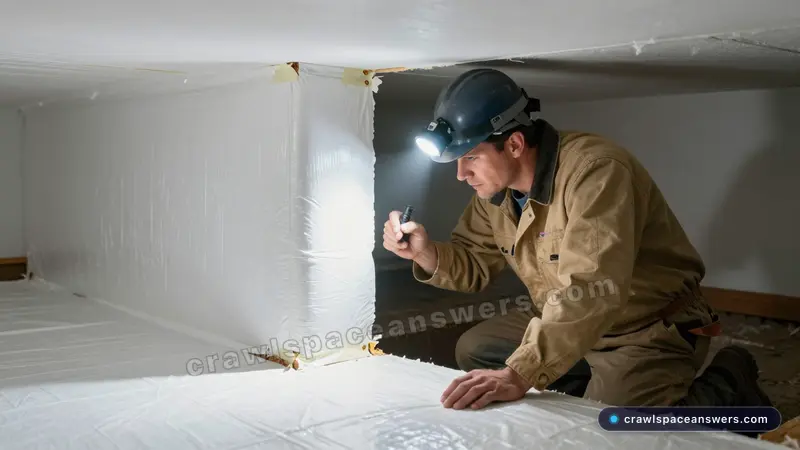
Searching for crawl space waterproofing near me is easy. Finding a contractor who properly identifies the moisture problem before recommending a solution requires a little more research.
Before hiring someone, use this checklist:
-
Ask for a moisture inspection: The contractor should look for the source of the water rather than focusing only on visible puddles.
-
Ask what is causing the problem: A good estimate should explain whether the moisture is related to groundwater, soil moisture, plumbing, condensation, foundation seepage, or exterior drainage.
-
Request a detailed written estimate: Make sure the proposal explains the work, materials, drainage components, cleanup, and any additional repairs included.
-
Check experience with crawl spaces: Crawl spaces have different access and moisture-control challenges than standard basements, so relevant experience matters.
-
Ask about drainage: If water is entering the space, find out how the proposed system will collect and discharge it.
-
Discuss vapor barriers and humidity: If the problem involves soil moisture or high humidity, ask how those conditions will be controlled.
-
Look for licensing and insurance: Verify the contractor's applicable credentials and insurance coverage for your area.
-
Check references and reviews: Look for evidence of completed crawl space projects and pay attention to how previous customers describe the work.
-
Compare written proposals: Look beyond the total price. Two estimates can differ because they include completely different scopes of work.
-
Ask about warranties: Understand what the warranty covers, how long it lasts, and whether it applies to labor, materials, or specific waterproofing components.
💡 Contractor Tip
Be cautious when a contractor recommends a major waterproofing system without first explaining where the moisture is coming from. A proper inspection should connect the proposed solution to the actual cause of the problem.
When comparing companies that appear in a crawl space waterproofing near me search, focus on the inspection, proposed solution, scope of work, credentials, and written warranty—not just the initial quote.
How Much Does Crawl Space Waterproofing Cost?
The cost of protecting a crawl space depends less on the name of the service and more on what the property actually needs. A relatively simple moisture-control project can be very different from a job that requires drainage, structural repairs, or extensive water removal.
Several factors can influence the overall cost of a crawl space waterproofing project:
| Cost Factor | Why It Matters |
|---|---|
| Size of the crawl space | Larger areas require more materials, labor, and preparation. |
| Source of the water | Groundwater, foundation seepage, plumbing leaks, and surface water can require different solutions. |
| Extent of water damage | Rotting wood, damaged insulation, or deteriorated materials can increase the scope of the work. |
| Drainage requirements | Perimeter drains, drainage channels, or other systems can add installation and labor costs. |
| Sump pump installation | A new sump basin, pump, discharge line, or backup system can affect the total project. |
| Vapor barrier or encapsulation | Material quality, crawl space size, surface preparation, and installation details all influence the cost. |
| Accessibility | Tight crawl spaces can take more time to inspect, prepare, and work in. |
| Exterior drainage | Correcting grading, gutters, or downspouts may require additional work outside the home. |
| Mold or moisture remediation | Extensive mold growth or contaminated materials may require separate remediation before waterproofing work. |
| Structural repairs | Damaged joists, beams, supports, or other structural components can significantly expand the project. |
There is no reliable one-size-fits-all price because two homes with similar crawl space sizes can have completely different moisture problems. The most useful estimate comes after the source of the water and the condition of the space have been properly inspected.
For homeowners comparing quotes, look at what is included in the proposal, not just the final number. A lower quote may cover only a vapor barrier, while another may include drainage, water removal, damaged-material replacement, and follow-up work.
DIY vs. Professional Crawl Space Waterproofing
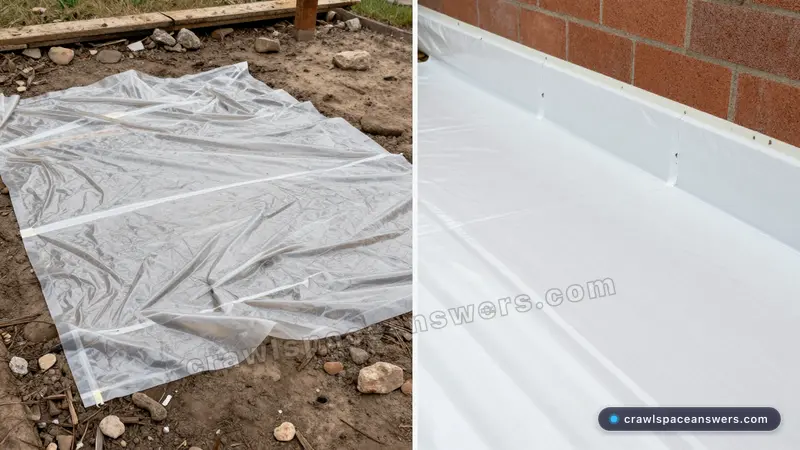
Some crawl space maintenance tasks are manageable for homeowners, but water intrusion is different. Before attempting a repair, it is important to understand whether you are dealing with a simple moisture-control issue or a problem involving groundwater, foundation seepage, drainage, or structural damage.
| DIY Approach | Professional Approach |
|---|---|
| Suitable for basic inspection and routine maintenance | Better suited to recurring or significant moisture problems |
| May include cleaning gutters and extending downspouts | Can assess the source of water and design a drainage solution |
| Homeowner can monitor humidity and visible moisture | Can inspect foundation, drainage, insulation, and structural components |
| Minor sealing work may be possible depending on the situation | Can install drainage systems, sump pumps, vapor barriers, and related systems |
| Lower upfront labor cost | Higher initial cost, but includes specialized labor and equipment |
| Limited when the source of water is unclear | Better suited to complex or recurring water intrusion |
| Mistakes can be difficult to identify until moisture returns | Work can be documented through a detailed scope and warranty |
When DIY May Be Reasonable
Simple preventive tasks can often be handled without specialized equipment. Keeping gutters clear, making sure downspouts discharge away from the foundation, monitoring humidity, and checking the crawl space after heavy rain are examples of routine maintenance.
More involved work is a different matter. Installing drainage components or attempting to correct persistent groundwater intrusion without understanding the water path can leave the underlying problem untouched.
⚠️ Warning: Know What You’re Getting Into
A crawl space can contain electrical wiring, plumbing, insulation, structural supports, and contaminated or mold-affected materials. Standing water can create additional safety concerns.
If water is recurring, structural wood is deteriorating, or the source of the moisture is unclear, getting the problem assessed before starting major DIY work can help prevent a small repair from becoming a much larger one.
The decision ultimately comes down to the nature of the problem. Routine moisture prevention is one thing; recurring water intrusion that requires drainage or structural work calls for a much more thorough approach.
How to Prevent Future Crawl Space Moisture Problems
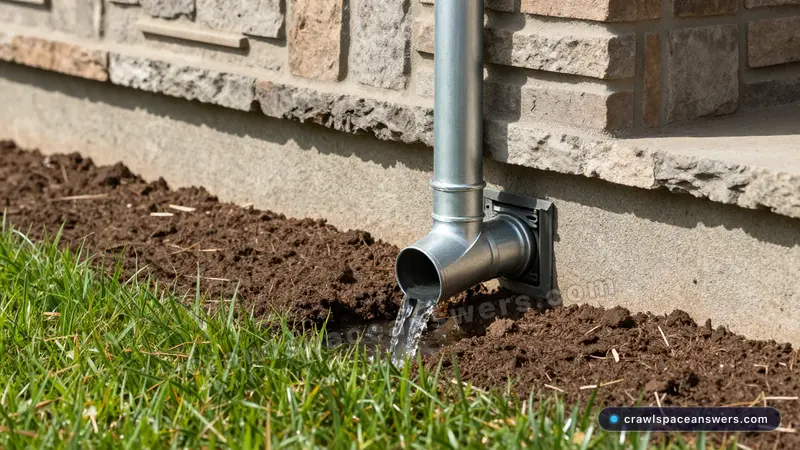
Fixing a moisture problem is only half the job. If water continues to collect around the foundation or humidity remains high beneath the home, the same damage can come back. A few simple maintenance habits can make a noticeable difference and help protect the work already done.
-
Keep gutters clean: Clogged gutters can send rainwater over the edge of the roof and toward the foundation. Clean them regularly, especially before periods of heavy rainfall.
-
Extend downspouts away from the foundation: Downspouts should discharge rainwater far enough away from the house that it does not collect next to the foundation.
-
Check the grading around your home: The ground around the foundation should direct surface water away from the house rather than allowing it to flow toward the crawl space.
-
Inspect the crawl space after heavy rain: Look for puddles, damp soil, new water stains, or changes in humidity. Catching a problem early can make wet crawl space repair less extensive.
-
Monitor humidity: Excessive humidity can create condensation even when there is no standing water. Keeping an eye on humidity levels can help identify a developing moisture problem.
-
Check for plumbing leaks: Inspect accessible pipes, drains, and HVAC components for signs of dripping or condensation.
-
Maintain the drainage system: If your home has perimeter drains, a sump pump, or crawl space drainage matting, make sure the system remains clear and functional.
-
Protect the vapor barrier: Tears, gaps, or damaged sections can allow moisture from the soil back into the crawl space. Repairing damage promptly can help maintain moisture control.
-
Watch for early signs of a wet crawl space: Musty odors, condensation, mold, damp insulation, and soft wood should not be treated as normal crawl space conditions.
-
Address small problems before they grow: A leaking downspout or minor drainage issue can become much more expensive if it repeatedly exposes the foundation and structural components to moisture.
-
Keep records of previous repairs: Knowing when drainage systems, vapor barriers, sump pumps, or other components were installed makes future inspections and maintenance easier.
-
Schedule an inspection when problems return: If moisture keeps coming back despite previous repairs, the original solution may not have addressed the actual source of the water.
A Long-Term Approach to Moisture Control
Good moisture control is rarely about one product or one repair. Waterproofing crawl spaces works best when drainage, exterior water management, soil moisture control, and regular maintenance are treated as parts of the same system.
If you are also researching basement and crawl space waterproofing, remember that the moisture-control strategy should be based on the specific conditions of the property. A crawl space with groundwater intrusion may need a different approach from one affected mainly by soil moisture or condensation.
Regular inspections can also help you spot changes before they become major repairs. If you notice recurring water, damaged wood, or persistent humidity, addressing the source early can help limit both the damage and the eventual repair scope.